Bring Flamenco’s Living Voice to America: 2027 U.S. Tour & The Voice Came First
Bringing Paco del Pozo’s artistry from Spain to U.S. stages while preserving the experiences of flamenco artists through The Voice Came First, a documentary.
My first exposure to Flamenco occurred when I was a teenager, living in Northern Virginia. A Spanish teacher invited her students to try on her flamenco dresses and create a performance for our classmates. At the time, I had no idea that this early encounter would eventually lead me to Spain, years of study, and the creation of Severin Flamenco.
Years later, while living in Madrid, I began studying flamenco baile seriously with Elena Clares Infantes at Escuela de Danza Clamores in San Martín de la Vega. I became a consistent student and continue to study with Elena today. In June 2026, I also took flamenco dance classes at Amor de Dios in Madrid, one of the places where generations of flamenco artists have trained and exchanged ideas.
As my relationship with flamenco deepened, I became increasingly interested not only in baile—the dance—but in the relationship among cante, guitar, dance, history, and the artists who carry this tradition forward.
That journey has become The Voice Came First, a documentary and live-performance project produced by Severin Flamenco.
Why The Voice Came First?
For many people encountering flamenco for the first time, the dancer or guitarist may be what immediately captures the eye. With this project, we want to ask audiences to listen more closely to another essential element of flamenco: the human voice.
The Voice Came First is not intended to make a simplistic claim that flamenco developed according to one chronological sequence. Flamenco has a complex history, and cante, baile, and guitar have developed in conversation with one another over generations.
Instead, the title is an invitation. What happens when we begin by listening? What can a singer’s voice tell us about memory, place, artistic transmission, personal history, and societal context contained within flamenco?
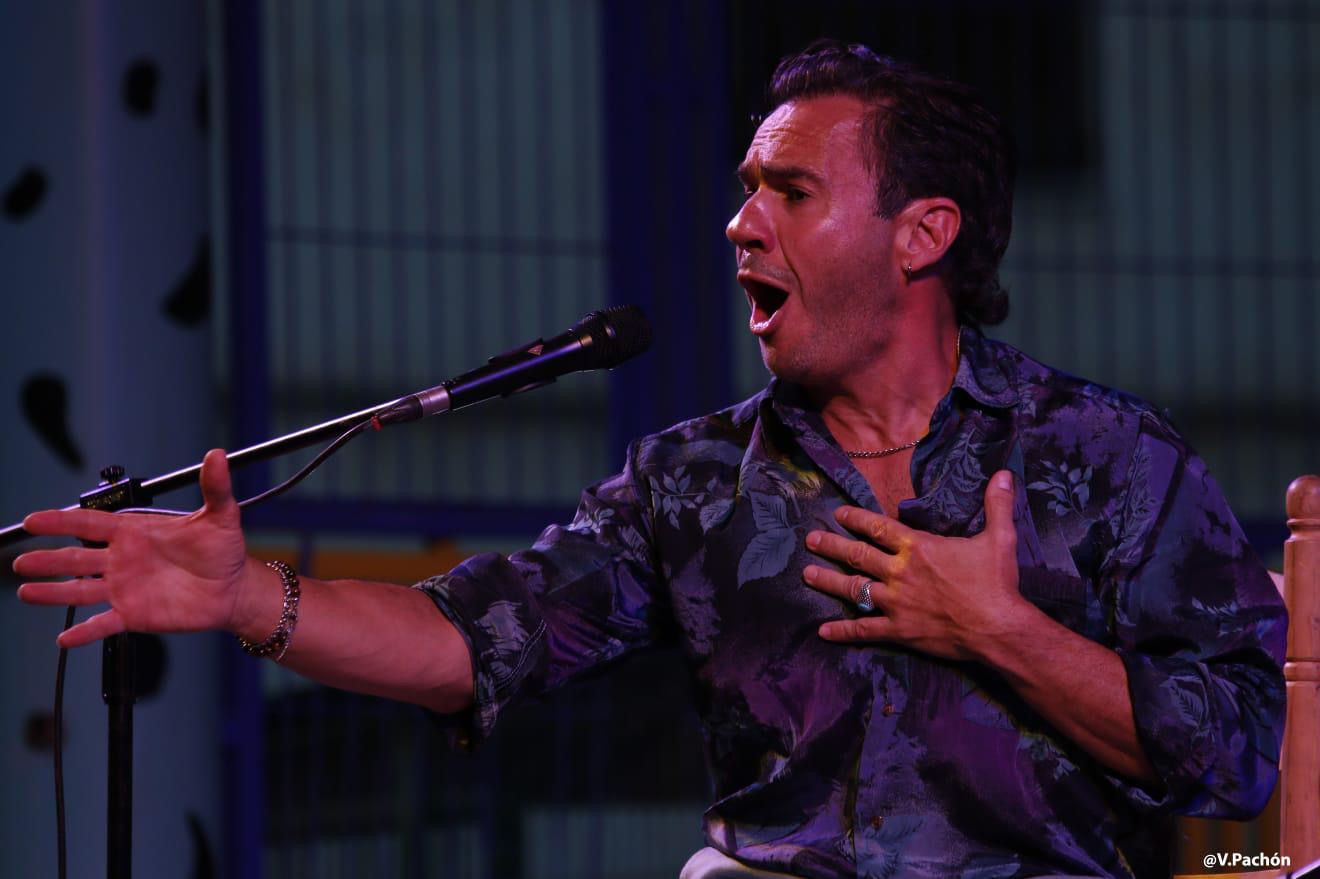
At the center of the documentary is Paco del Pozo, the acclaimed Madrid cantaor and winner of the prestigious Lámpara Minera at the Festival Internacional del Cante de las Minas. Paco will serve as the documentary’s protagonist and principal narrative voice while introducing us, directly and indirectly, to other artists and perspectives along the way.
Meeting Paco
I met Paco in Madrid in June 2026 while searching for a private cante lesson at Amor de Dios.
I am a bailaora, not a professional singer, but I want to understand cante more deeply.
During our lesson, Paco was accompanied on guitar by Javier Pimiento. In just one hour, Paco gave me practical insights that changed the way I sing flamenco. At one point during our class, I told him that my father is from Cuba and that I knew the lyrics to a guajiras song. Paco immediately had me practice that song with him.
The class was brief, but very meaningful. My own family background suddenly entered the room alongside the flamenco tradition I had spent years studying. The experience reinforced my interest in the way music can carry personal memory, cultural encounters, movement between places, and stories that are much larger than a single performance. What began as one private lesson eventually grew into an artistic collaboration.
The Project Has Already Begun
The Voice Came First is not simply an idea we hope to pursue in the future. We have already begun filming and presenting the artists who will help shape the project.
In July 2026, I presented a solo flamenco dance performance at an art gallery in Lake Worth Beach, Florida.
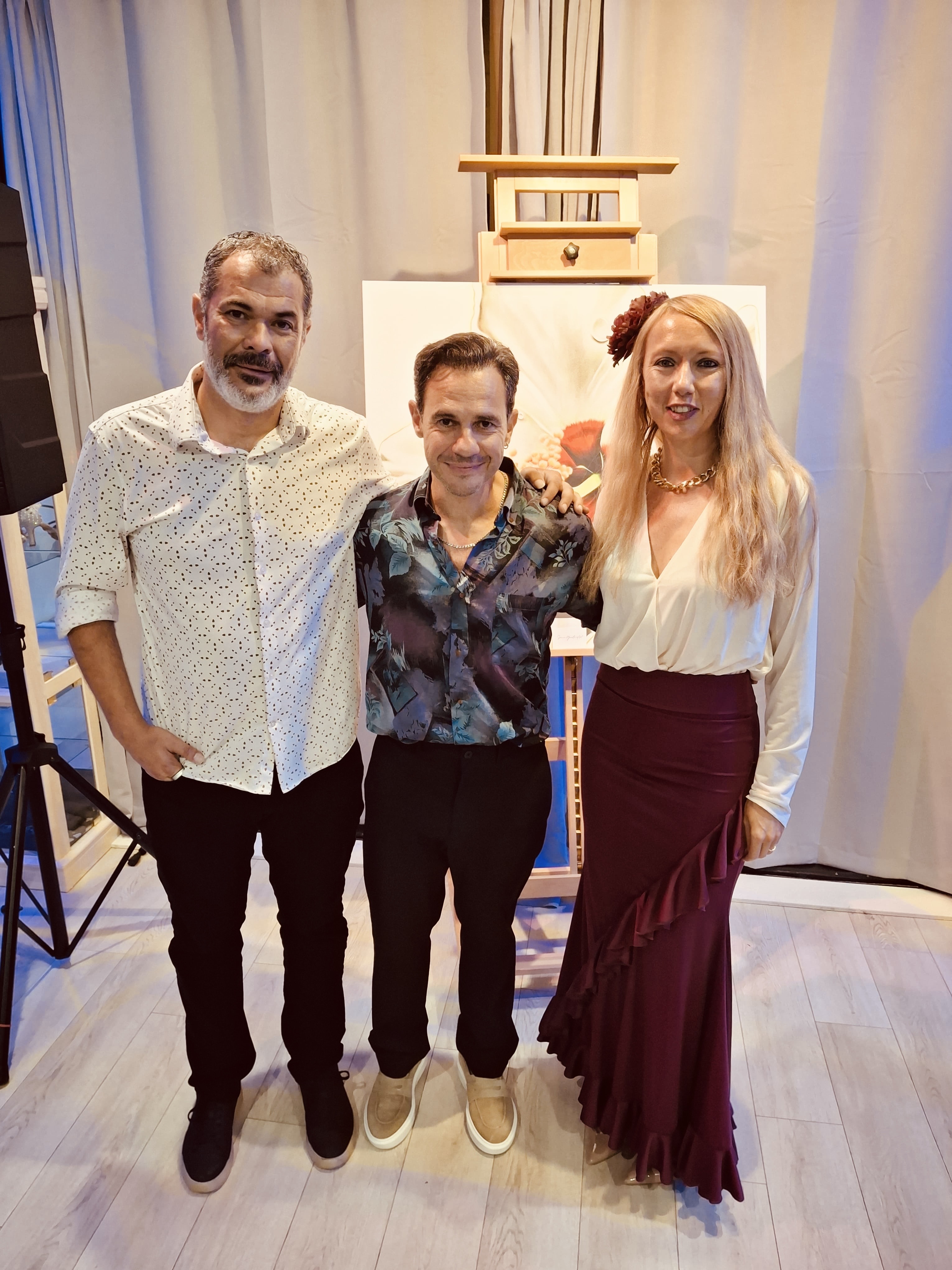
In August 2026, Severin Flamenco produced a performance by Paco del Pozo in West Palm Beach, accompanied by guitarist José Manuel Alconchel. The performance received sponsorship support from the Cultural Council for Palm Beach County.
That visit also allowed us to begin filming The Voice Came First. We captured Paco del Pozo in performance as well as an interview with him. We subsequently interviewed José Manuel Alconchel in Miami and also interviewed Chef Felipe Perez, the owner of La Pata Negra restaurant. These first recordings have begun establishing the visual and narrative foundation of the film.
Now we want to take the next step: filming in Madrid and the United States
In early 2027, Severin Flamenco plans to bring cinematographer Daphne Yeager-Ostendorf to Spain so that we can continue filming in Madrid. There, we plan to enter the places where flamenco is not merely presented to an audience but lived, taught, practiced, debated, and transmitted: peñas, tablaos, dance schools, rehearsal spaces, and other parts of Madrid’s flamenco community.
We will interview and film additional singers, guitarists, dancers, teachers, and other artists while keeping Paco del Pozo at the center of the documentary’s narrative. While Paco del Pozo will remain the documentary’s principal protagonist and narrative voice, I will also appear at selected moments in the film to share my own story as a bailaora and producer—how my relationship with flamenco developed, how I met Paco, and how this collaboration grew from a single private cante lesson in Madrid into a larger documentary and performance project spanning Spain and the United States.
Filming will then continue in the United States as the artists travel and perform.
Rather than separating the documentary from the concerts, we want the two parts of the project to inform one another. The camera can follow artists beyond the stage—during rehearsals, conversations, travel, educational events, and the quieter moments that audiences normally never see. Even at this early stage, the footage has already captured entertaining and revealing anecdotes that give a sense of the personalities behind the performances.
A 2027 U.S. Flamenco Tour
Alongside the documentary, Severin Flamenco is developing a 2027 U.S. tour of at least five cities. Talks are already underway regarding potential stops in Miami and Tampa, and we intend to expand the tour to additional U.S. cities. Performances will feature Paco del Pozo alongside a flamenco guitarist and dancer, bringing cante, toque, and baile together onstage. But the goal is larger than presenting a series of concerts. Where possible, we also envision artist conversations, educational programming, audience discussions, and opportunities for audiences to learn more about what they are hearing and seeing.nWe want people who may know very little about flamenco to leave with a deeper sense of the individuals behind the art: the discipline required to sustain it, the relationships among singer, guitarist, and dancer, and the traditions and experiences that artists bring with them onto the stage.
About Severin Flamenco and the Producer
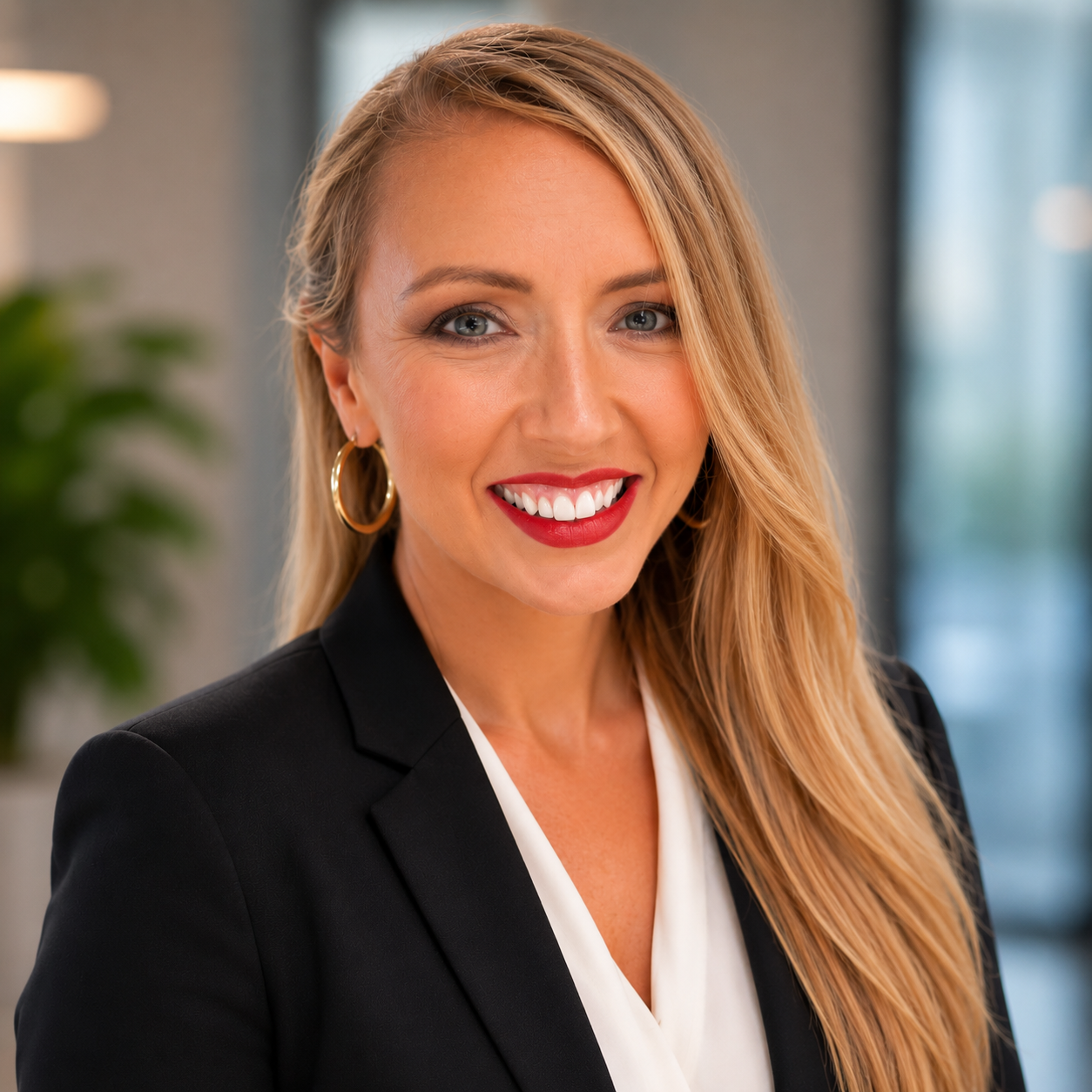
I founded Severin Flamenco to create opportunities for flamenco performance, cultural exchange, and education. My relationship with Spain extends far beyond occasional travel. I studied Spanish for six months in Ávila, Spain, later lived in Madrid for approximately two and a half years while teaching English in Spanish schools, and pursued graduate study focused on the literature and cultures of Spain and Latin America.
I hold an M.A. in Literary and Cultural Studies of Spain and Latin America from NYU Madrid, and I speak, read, and write Spanish. I also hold a M.A. in Bilingual and Multicultural Education from the Universidad de Alcalá de Henares. I am an attorney admitted to the District of Columbia Bar and hold an LL.M. in Banking and Financial Regulation from Boston University, with a concentration in securities law. My legal and academic backgrounds bring additional experience in research, organization, contracts, and the management of complex projects.
At the same time, I approach this project as a practicing bailaora. I continue studying flamenco dance with Elena Clares Infantes and continue developing my own understanding of flamenco through classes, performance, travel, and relationships with artists.
My family background is Cuban and German, and I grew up primarily in Northern Virginia. The project therefore also reflects something personal about how culture travels, how people encounter traditions that may not fit neatly within national borders, and how art creates relationships across places and generations.
Our Cinematographer
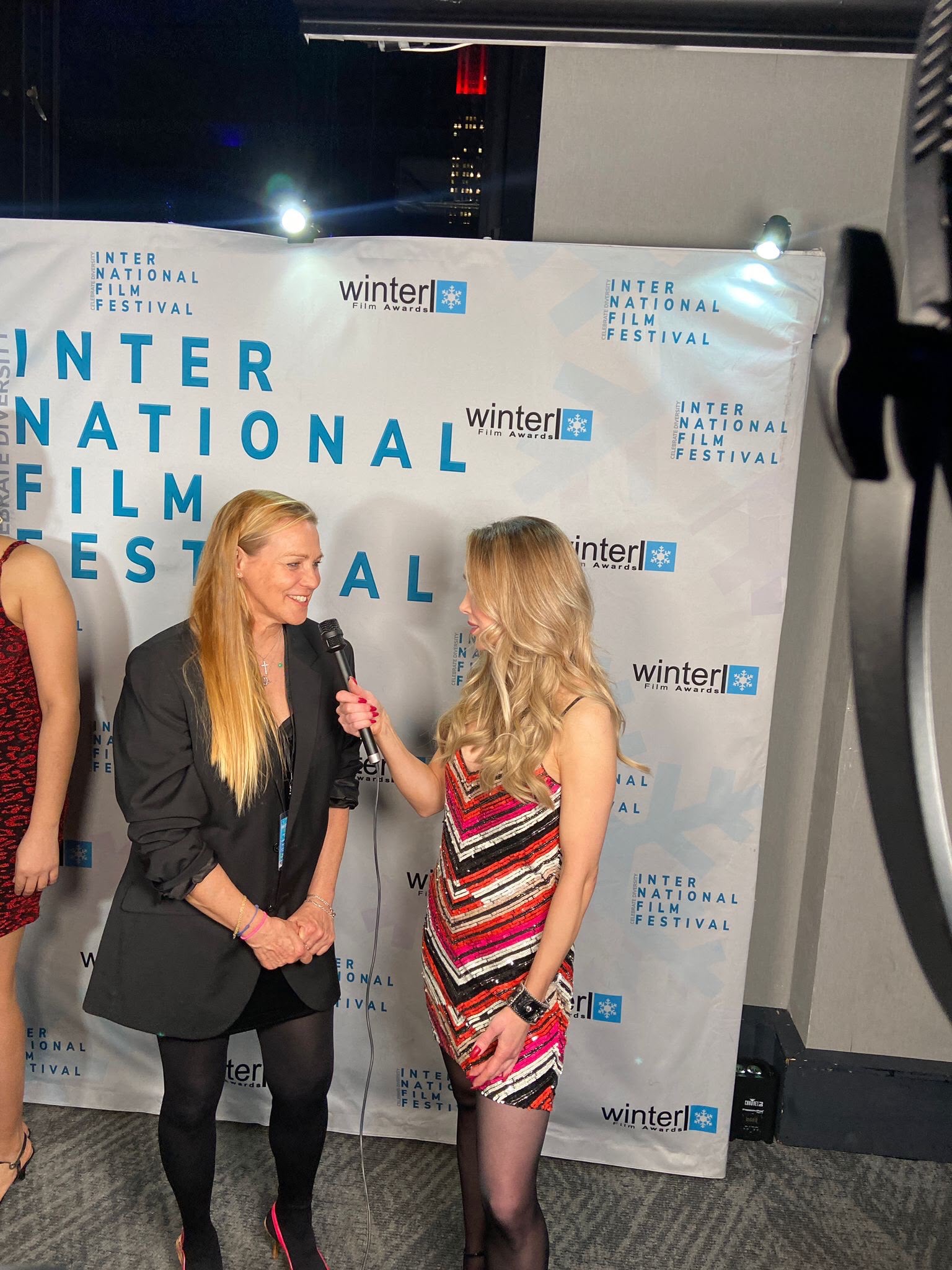
Daphne Yeager-Ostendorf is an independent documentary filmmaker based in New York with experience in cinematography, directing, producing, and editing. Her work centers on documentary storytelling, and her professional background includes extensive hands-on work behind the camera and in post-production.
Daphne directed, produced, and edited the feature documentary Keeping Olivia, which raised $50,000 through Kickstarter and went on to the film-festival circuit. Her experience also includes documentary cinematography and editing, and she completed the New York Film Academy’s one-year conservatory program in documentary filmmaking.
For The Voice Came First, Daphne will travel with Severin Flamenco to Madrid to continue filming and will also document portions of the project in the United States.
What Your Support Will Make Possible
Our current campaign goal is $120,000.
These funds will support a project that crosses both national borders and artistic disciplines. Donations will help pay for artist visas and related immigration expenses; international and domestic airfare; hotel accommodations, ground transportation, and meals; performance fees for Paco del Pozo and participating guitarists and dancers; concert-hall rentals and technical production; travel to Spain for the producer and cinematographer; filming in Madrid and the United States; cinematography and production fees; equipment and other filming costs; and the substantial editing and post-production required to complete The Voice Came First.
The campaign will also support the practical work required to produce a multi-city tour and documentary responsibly—from rehearsals and logistics to the many hours required to review footage, construct the film’s narrative, edit the documentary, and prepare it for audiences.
From Madrid to the U.S..
The pieces of this project are finally coming together.
We already have our protagonist. We have begun filming. We have presented Paco to a U.S. audience. We have begun interviewing artists. We have a cinematographer, a producer, relationships in Spain and the United States, and conversations underway about future performances. The next phase requires resources that are beyond what we can accomplish alone, however, we intend to offset costs with income that we obtain from ticketed events.
We hope The Voice Came First will become more than a record of individual concerts. We want it to be a portrait of artists and a living tradition—a film that asks audiences not only to watch flamenco, but to listen closely.
Help Severin Flamenco bring these artists from Madrid to American stages, preserve their voices and stories on film, and give the voice a place at the center of the story. - Thank you, Isabel Alcántara.Paco del Pozo, Cantaor de Flamenco September 2026, Madrid, Spain.
Daphne Yeager-Ostendorf, Cinematographer (Left) Isabel Alcántara, Founder & Producer - Severin Flamenco. From Left to Right - José Manuel Alconchel (guitar), Paco del Pozo (cantaor), Isabel Alcántara, Producer at Severin Flamenco, visual art by Sonia Giusto. August 2026 in West Palm Beach recital - Cante y Lienzo.
Rewards
$75 — Friend of the Voice
Donate $75.00 or more
Amount is fully tax-deductible.
A personal digital thank-you from Severin Flamenco and inclusion in campaign/project updates as The Voice Came First develops in Madrid and the United States.
$300 — Documentary Supporter
Donate $300.00 or more
Amount is fully tax-deductible.
Reward: Everything above, plus the donor’s name listed in a The Voice Came First supporter acknowledgment, unless they prefer to remain anonymous.
$1,000 — Special Thanks Supporter
Donate $1,000.00 or more
Amount is fully tax-deductible.
Reward: A personal thank-you and recognition in the documentary’s Special Thanks acknowledgments, subject to the donor’s preference.