Condemned to a Life
A darkly funny puppet show about forgiveness and learning to love yourself and others.
Help Bring Condemned to a Life to Theatre Row
A dark comedy with puppets about the stories we inherit, and what it takes to break free.
New York, NY, US

We all inherit stories about who we are. They come from our families, our communities, the labels attached to medical diagnoses, institutions, and the things that have happened to us. Over time, those stories can begin to feel less like interpretations and more like sentences: You are damaged. You are dangerous. You should be ashamed. You will never change.
But who gets to decide which version of our lives is true?
Condemned to a Life is a dark comedy with puppets that explores why some stories become so difficult to escape, what keeps people trapped inside them, and whether it's possible to imagine a different ending.
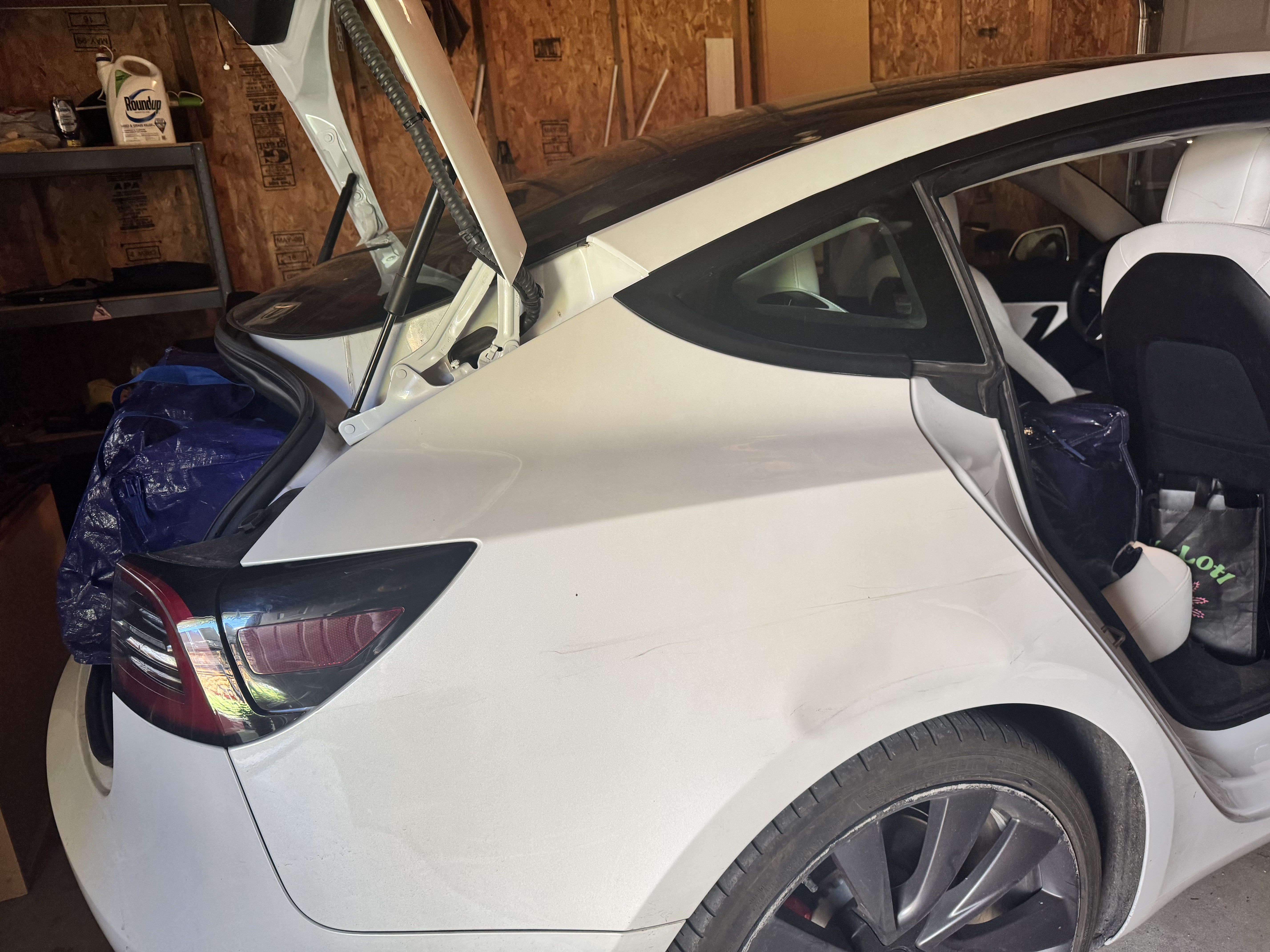
Drawing on family trauma, a near-fatal car accident that left me with a traumatic brain injury, and my family’s experiences with severe mental illness and incarceration, the show examines stories about guilt, punishment, identity, and who deserves another chance.
Within a visual world shaped by a child’s imagination, Condemned to a Life uses comedy and puppetry to turn painful memories into something theatrical, surprising, and even absurd. Humor allows audiences to approach experiences that might otherwise feel too frightening or uncomfortable to confront.
From Chicago to New York
Condemned to a Life played to strong houses throughout its initial Chicago run at the de Maat Studio Theatre at Piper’s Alley, reaching 89% capacity overall, with two of its three performances nearly sold out. Audience members described the show as “inspirational” and praised its “superb acting.”
Now the show has been selected for the United Solo Festival at Theatre Row in New York City on October 21, 2026.
Bringing the production to New York means transporting the puppets, props, and set pieces from Chicago; bringing essential members of the creative team to New York; rehearsing and adapting the production for a new theater; covering technical and production expenses; and compensating the artists whose work makes the show possible.
That is where your support comes in.
Your contribution will help us bring the Chicago production to a New York stage and introduce it to a larger audience.
Why New York Matters
The Chicago run has already shown me that this story can resonate beyond a traditional theater audience.
Trauma-informed therapist and University of Illinois Chicago professor Dr. Sheela Raja called the show “really incredible,” and said that she was still talking about it the next day. Dr. Raja, also provided audience-support resources for mental health, incarceration, PTSD, and drug and alcohol abuse. She and I are now exploring educational videos that use puppetry and improvisation to open conversations about mental health.
The show is also beginning to reach the brain injury community. I was recently interviewed by the brain injury institute at Mount Sinai, where I participate in the LETBI study, and will be featured in its September newsletter.
These connections suggest a larger future for Condemned to a Life, potentially including educational programming, workshops, and community conversations for people affected by severe mental illness, incarceration, traumatic brain injury, and PTSD.
I believe that theater can create connection and understanding. Comedy can help us stay present when a subject becomes uncomfortable. Puppetry can give form and voice to experiences that are difficult to express.
Why I Am Making This Show
I am an actress, improviser, puppeteer, and health journalist. As a journalist I work to make complex and frequently invisible health experiences understandable to a wider audience. As an artist, I approach many of the same questions through character, comedy, and puppetry.
I am also a traumatic brain injury survivor, a person in long-term recovery, a mother, and the sister of someone living with severe mental illness and incarceration.
I created Condemned to a Life because I wanted to understand how people become imprisoned by the stories told about them, and the stories they learn to tell about themselves. I also wanted to explore why some people are able to break free while others remain stuck, particularly when those stories are reinforced by families, institutions, illness, shame, and systems of punishment.
Bringing the show to New York is the next step. With your help, it can also become the beginning of something larger.
Please contribute if you can. Every donation will help bring the people, puppets, and world of Condemned to a Life from Chicago to New York. If you are unable to donate, sharing this campaign is another meaningful way to support the show.
Thank you for helping us bring Condemned to a Life to New York, and for helping more people see that none of us should be defined by a single story.
Rewards
A Thank-You from the Puppets
Donate $25.00 or more
Amount is fully tax-deductible.
Receive a campaign-exclusive digital thank-you video featuring Amy and one of the puppets from Condemned to a Life

0 / 25 claimed
Website Supporter Credit
Donate $50.00 or more
Amount is fully tax-deductible.
Your name will be included in the supporter acknowledgments on the Condemned to a Life website. You may also choose to be listed anonymously.
0 claimed
Signed Full-Color Show Program
Donate $125.00 or more
Amount is fully tax-deductible.
Receive a full-color Condemned to a Life commemorative program signed by creator and performer Amy Kraft. Your name will also be included in the website’s supporter acknowledgments.
Programs will be mailed after the New York performance.
2 / 20 claimed
Honorary New York Producer
Donate $750.00 or more
Amount over $120.00 is tax-deductible.
Receive honorary Producer recognition on the Condemned to a Life website, two tickets to the New York performance, a post-show meet-and-greet and photo with Amy and the puppets, and a signed full-color commemorative program.
0 / 3 claimed